
The Toy Association is kicking off its sixth annual Toy Safety Awareness Month with a reminder for holiday shoppers to put safety first when buying toys and supervising play.
Throughout November, the organization will share guidance on social media and at playsafe.org, covering topics including how to spot counterfeit toys, safe play with squishy toys, the importance of age labels, and how to check for product recalls. The Toy Association has provided a Toy Shopping Checklist to help consumers purchase the right toys for kids safely.
A new survey of 1,000 U.S. parents conducted by Wakefield Research found that 87% say the lower price of a counterfeit or knockoff toy isn’t worth the potential safety risk to kids. However, The Toy Association says shoppers may not always know how to identify these products. Counterfeit toys may fail to meet federal safety requirements, potentially creating hazards such as choking risks from broken small parts and exposure to chemicals prohibited in toys for kids.
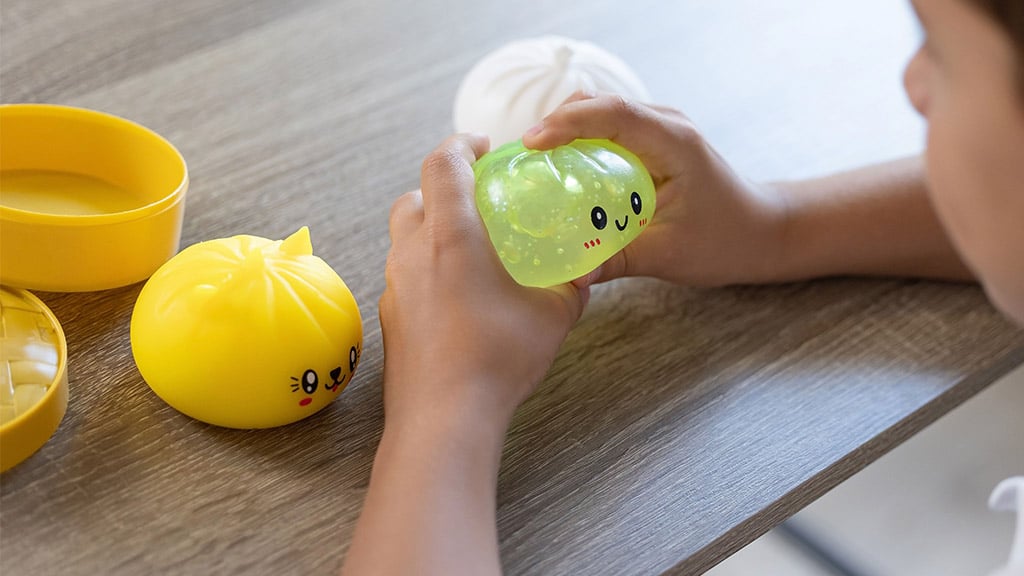
The organization is also highlighting the risks associated with counterfeit squishy toys, which may tear or burst, releasing small parts or filling, or contain hazardous chemicals. Despite these concerns, 84% of parents surveyed believe knockoff squishy toys are safe for play. The Toy Association recommends checking for manufacturer information, age labels, safe-use instructions, and company contact details on packaging and products. It also cautions against heating, freezing, puncturing, biting, or otherwise misusing squishy toys. The Toy Association has provided consumers with a tip sheet to help consumers identify counterfeit toys.
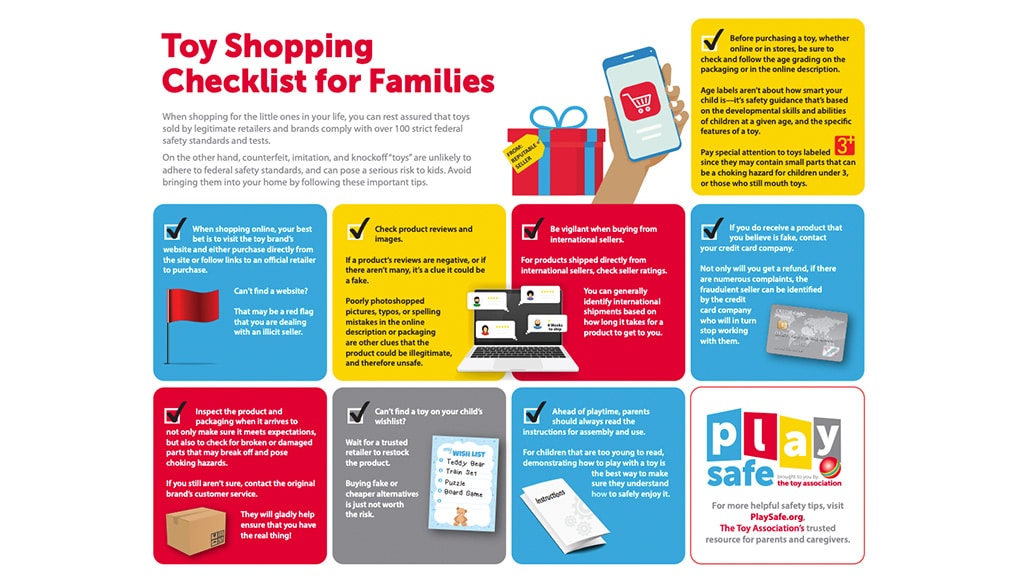
Age labels are another focus of this year’s campaign. The survey found that 35% of parents believe toy age recommendations are merely suggestions, a misconception reported by 49% of Baby Boomers surveyed. The Toy Association emphasizes that age grading provides safety guidance, particularly for toys labeled for kids ages 3 and up that may contain small parts.
The holiday checklist also encourages shoppers to buy from known brands and trusted retailers, avoid unfamiliar sellers and listings with warning signs such as misspellings or missing safety information, and check recalls.gov before buying secondhand toys or accepting hand-me-downs. The organization further reminds families that products such as party supplies, costumes, electronics, and home decor are not necessarily designed or tested as toys and may pose hazards, including small batteries, non-toy water beads, or high-powered magnets.
The Toy Association’s holiday safety resources, including its Toy Shopping Checklist and squishy toy tip sheet, are available at playsafe.org. The organization will also share additional guidance on social media throughout November.
